Kathmandu
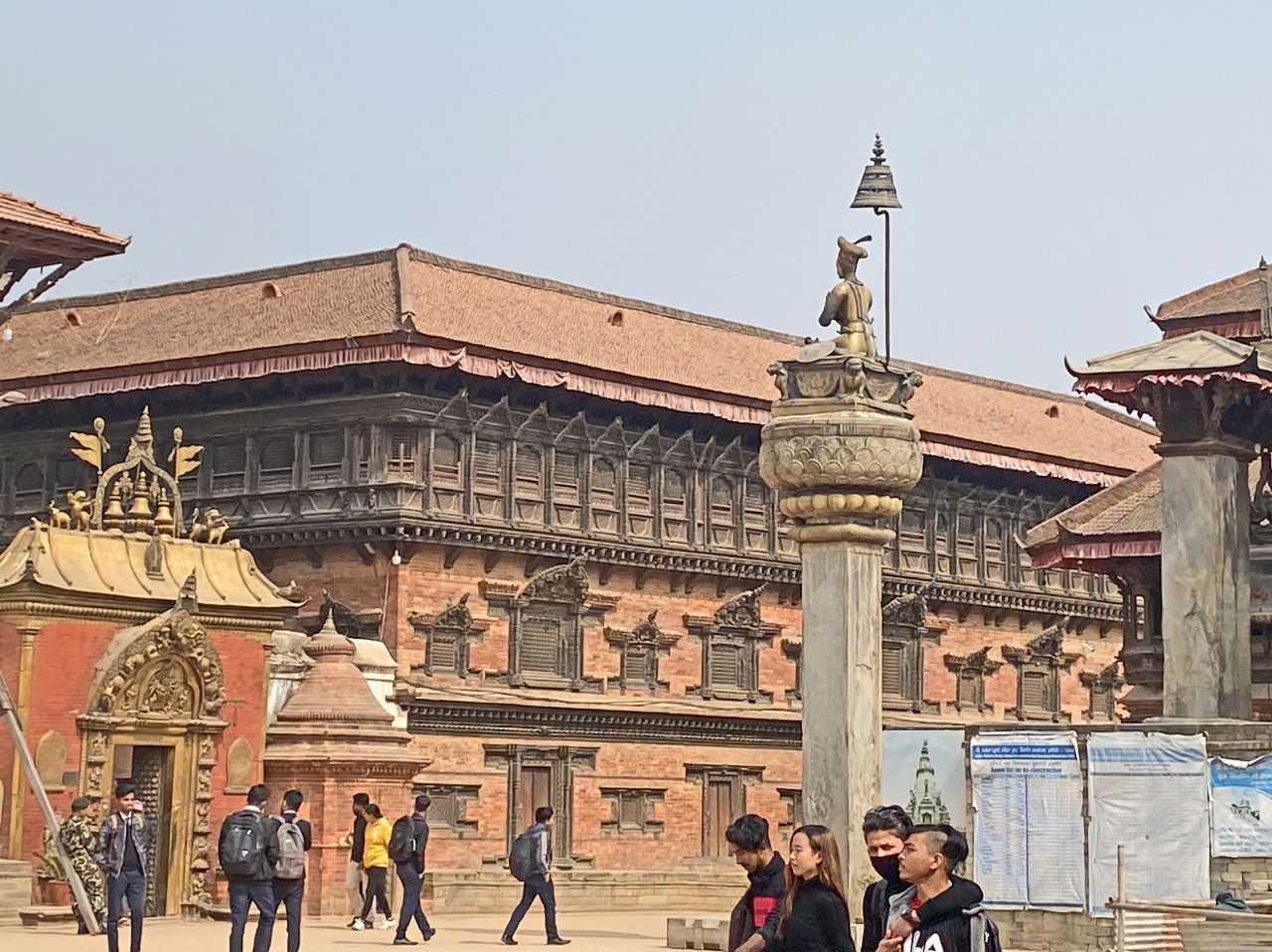
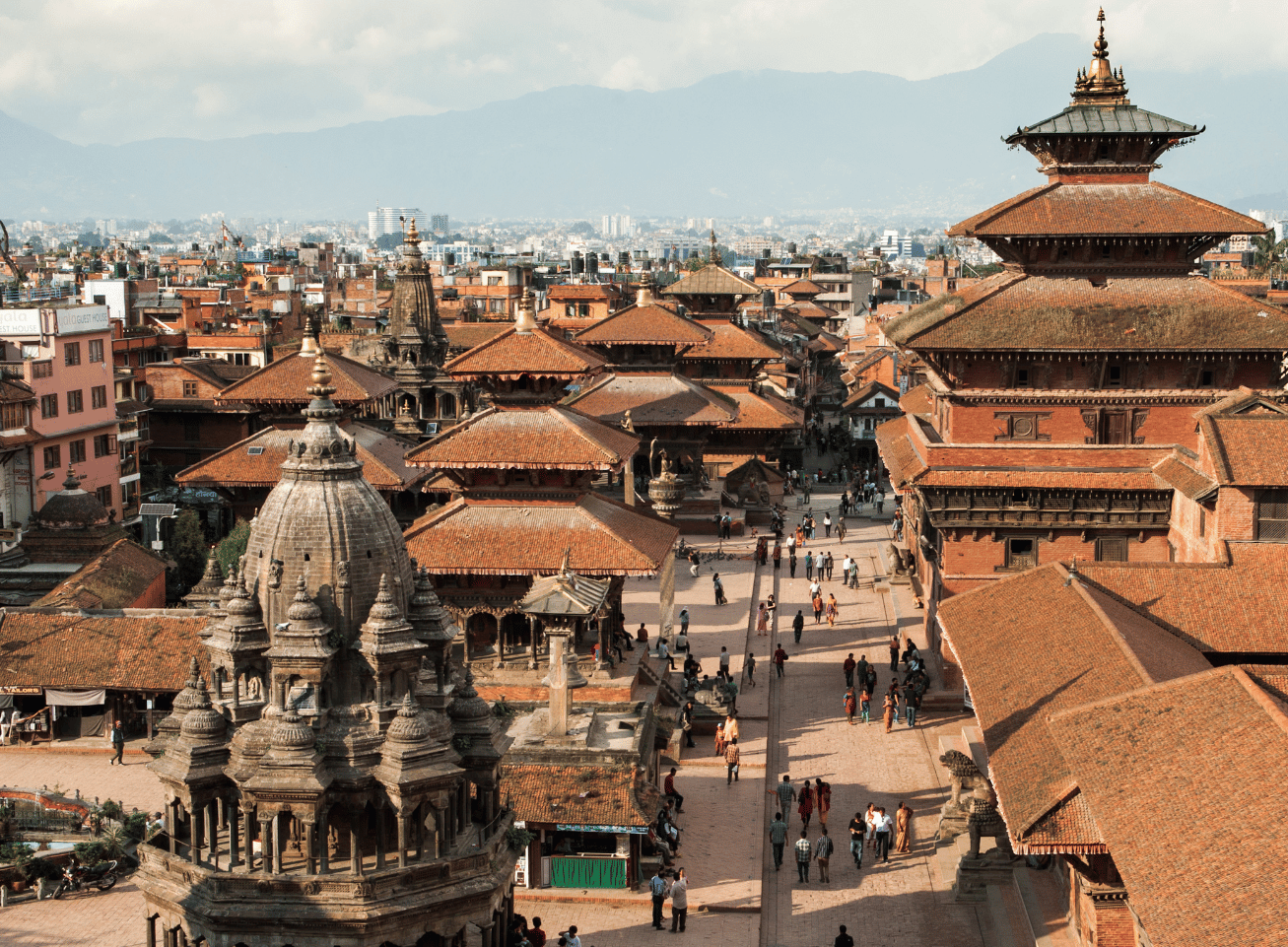
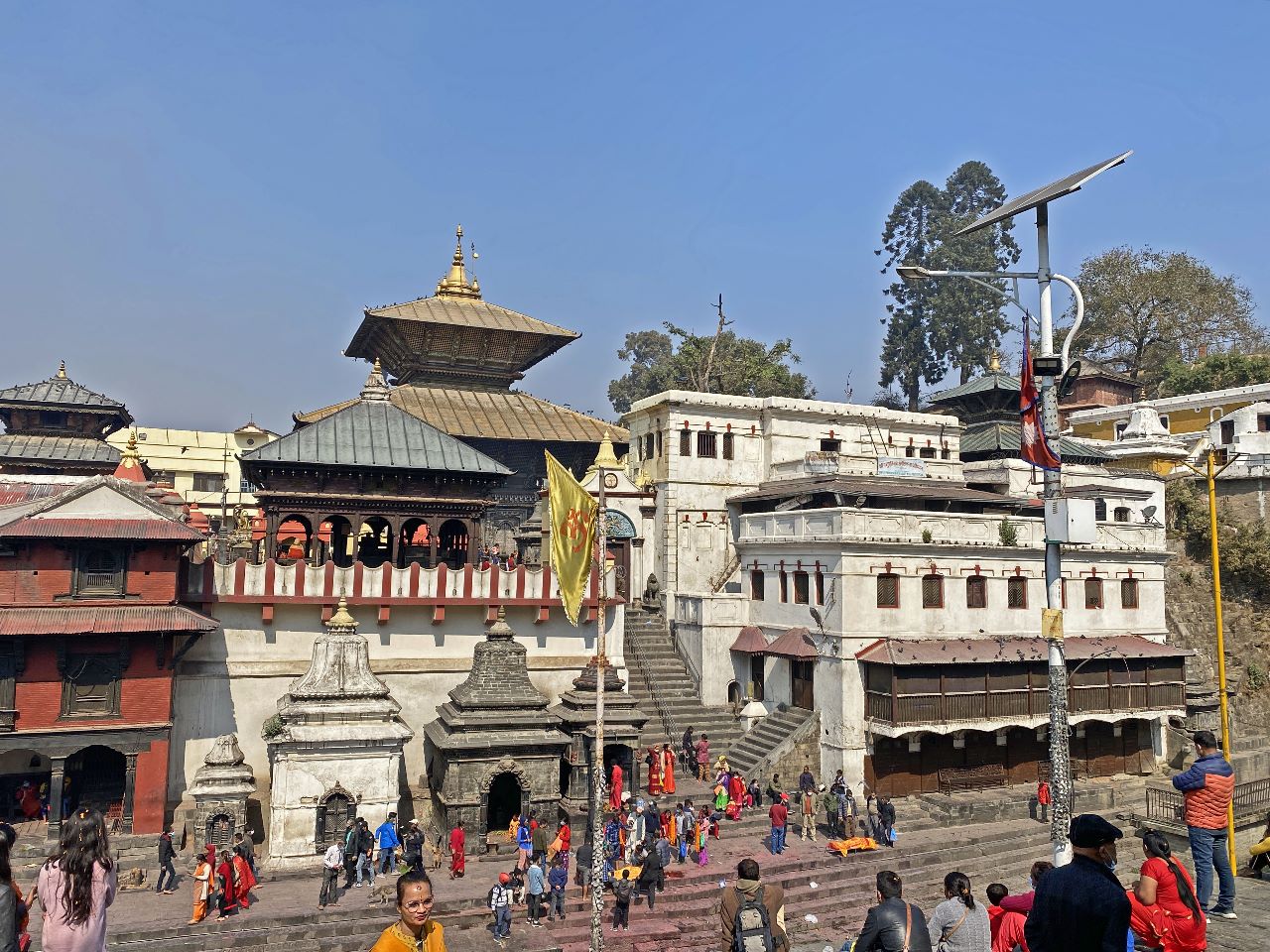
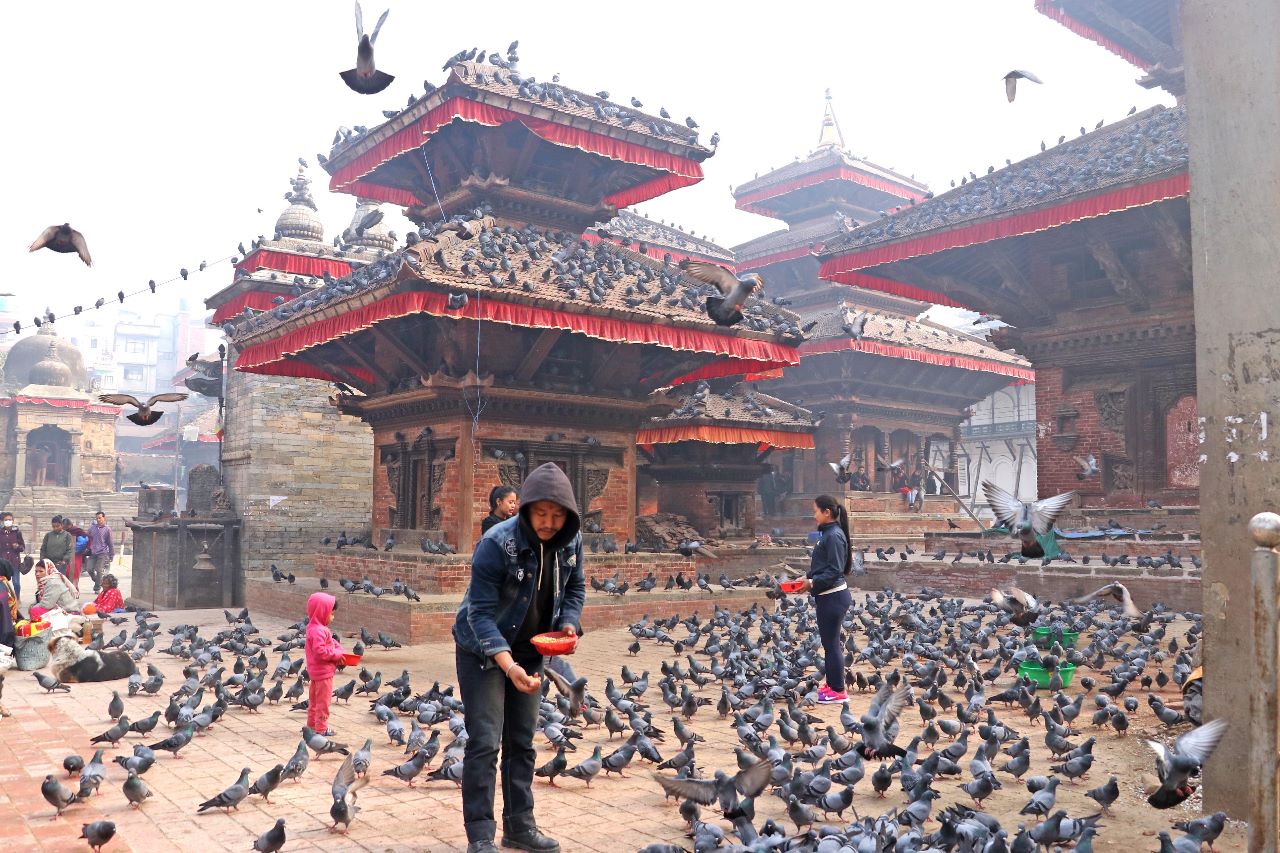
Kathmandu, the largest city of Nepal, is the political as well as cultural capital of the country. Kathmandu is a city where ancient traditions rub shoulders with the latest technological advances. However, it is the grandeur of the past that enchants the visitor whose gaze may linger on an exquisitely carved wooden window frame, an 18th century bronze sculpture or the spiritually uplifting stupas. Like any big city, Kathmandu has seen rapid expansion in the last decade, but despite the hustle and bustle so typical of metropolitan cities, its people remain as refreshingly friendly as ever. Retaining its ancient traditions, Kathmandu is blessed by a Living Goddess and is enriched by endless ceremonial processions and events that take to the streets every now and then with throngs of devotees seeking blessings. These religious festivals are steeped in legend and are quite a spectacle with chariot processions and masked dancers often possessed by the spirits of deities.
But the valley’s remarkable cities with their ornate palaces, the superbly crafted pagodas, and the monumental stupas are testimony of the artistic genius of the Newars, the original inhabitants of the valley, whose skills were championed by the Malla kings and appreciated even by the Mongol rulers of 18th century China.
CLIMATE
Kathmandu Valley is blessed by a temperate climate. The temperature does not exceed 34 degrees Celsius even during the scorching summer months and does not drop below 3 degrees Celsius in winter.
ACCESS/ ACCOMMODATION
One can directly fly into the Tribhuvan International Airport in the Kathmandu Valley. One can ride buses or drive to Kathmandu from border towns and other parts of the country. There are five-star hotels, resorts to moderate accommodations with modern amenities available in and around Kathmandu Valley.