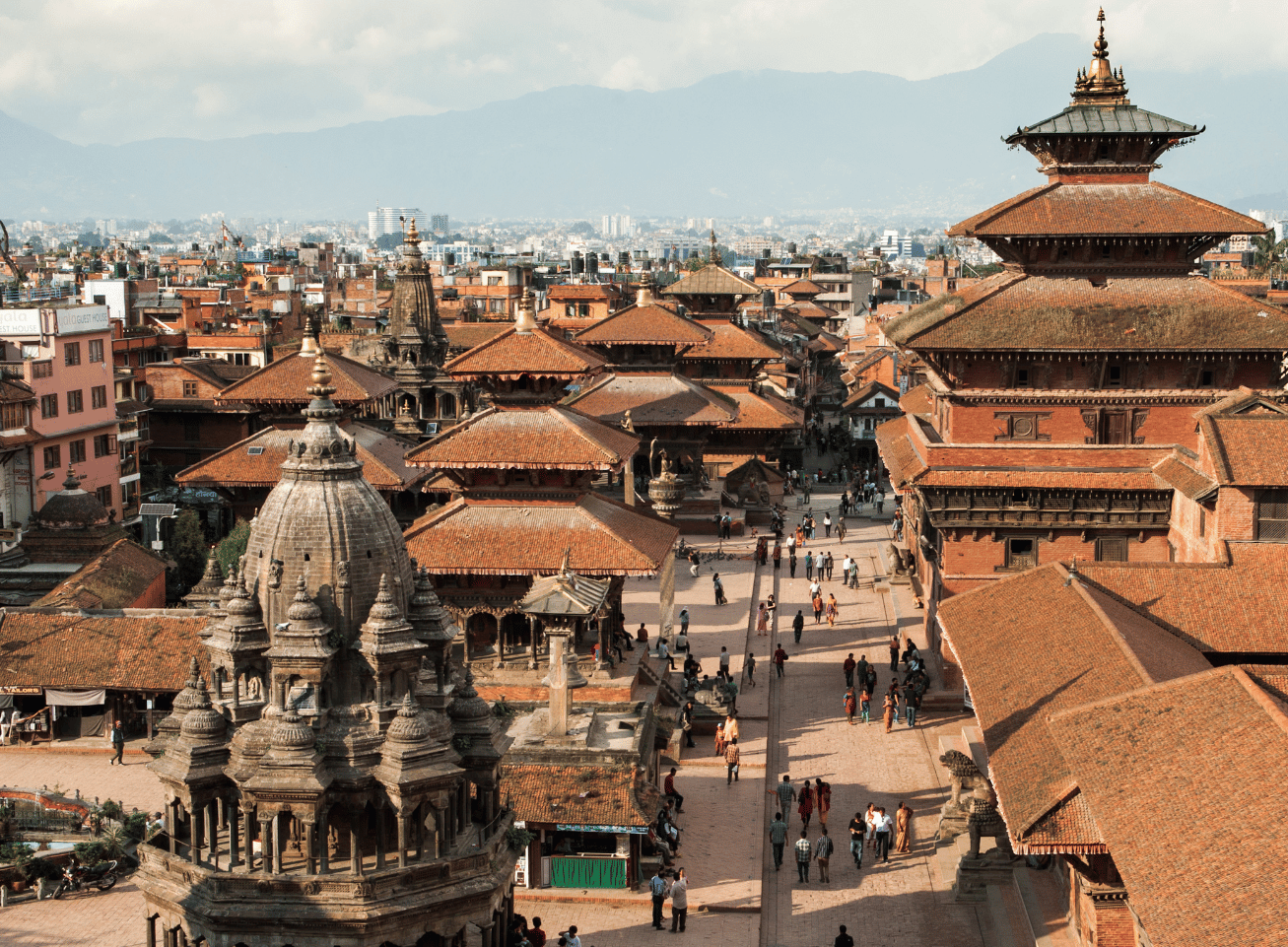
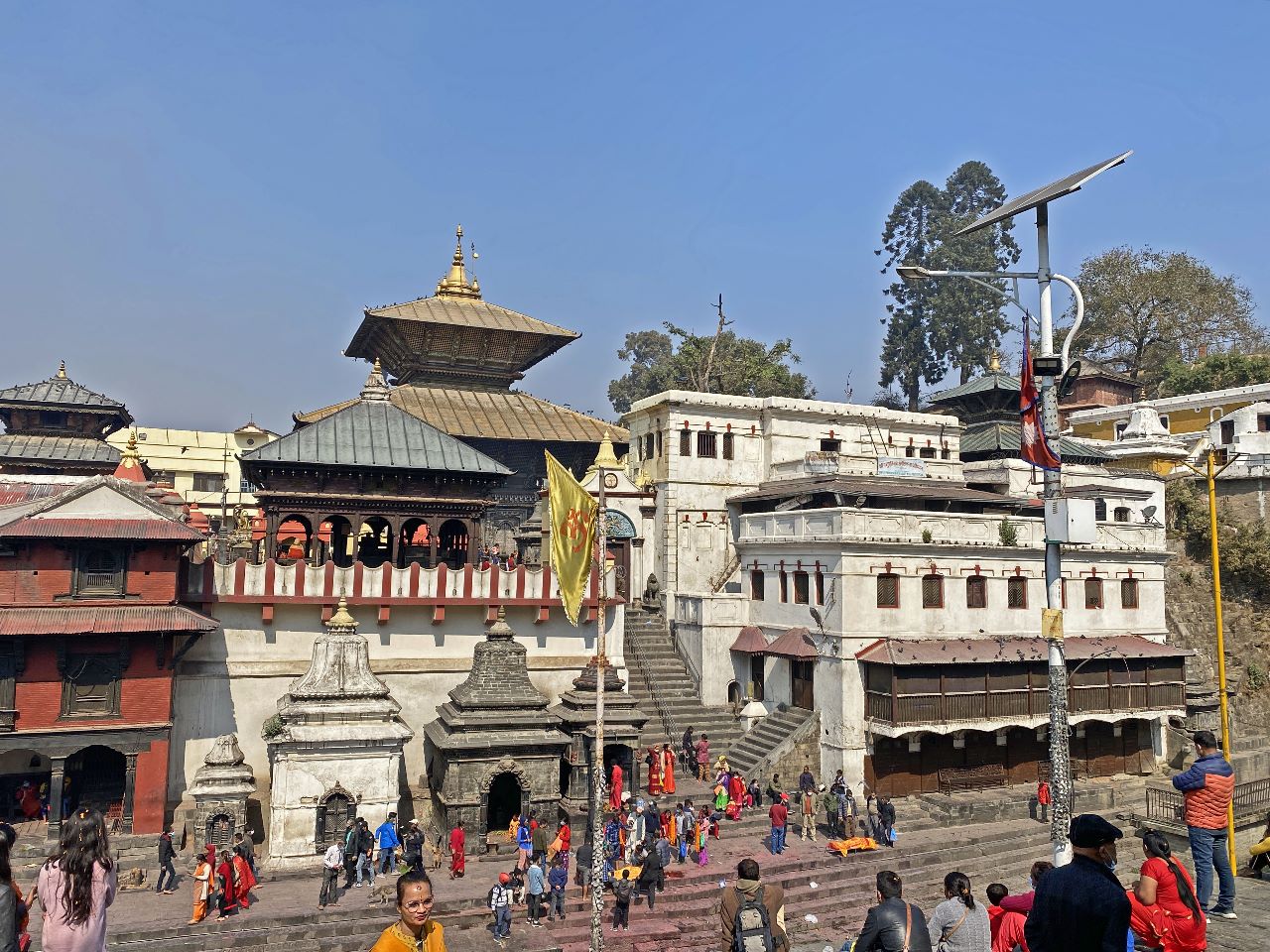
Kathmandu

Kathmandu, the largest city of Nepal, is the political as well as cultural capital of the country. Kathmandu is a city where ancient traditions rub shoulders with the latest technological advances. However, it is the grandeur of the past that enchants the visitor whose gaze may linger on an exquisitely carved wooden window frame, an 18th century bronze sculpture or the spiritually uplifting stupas.
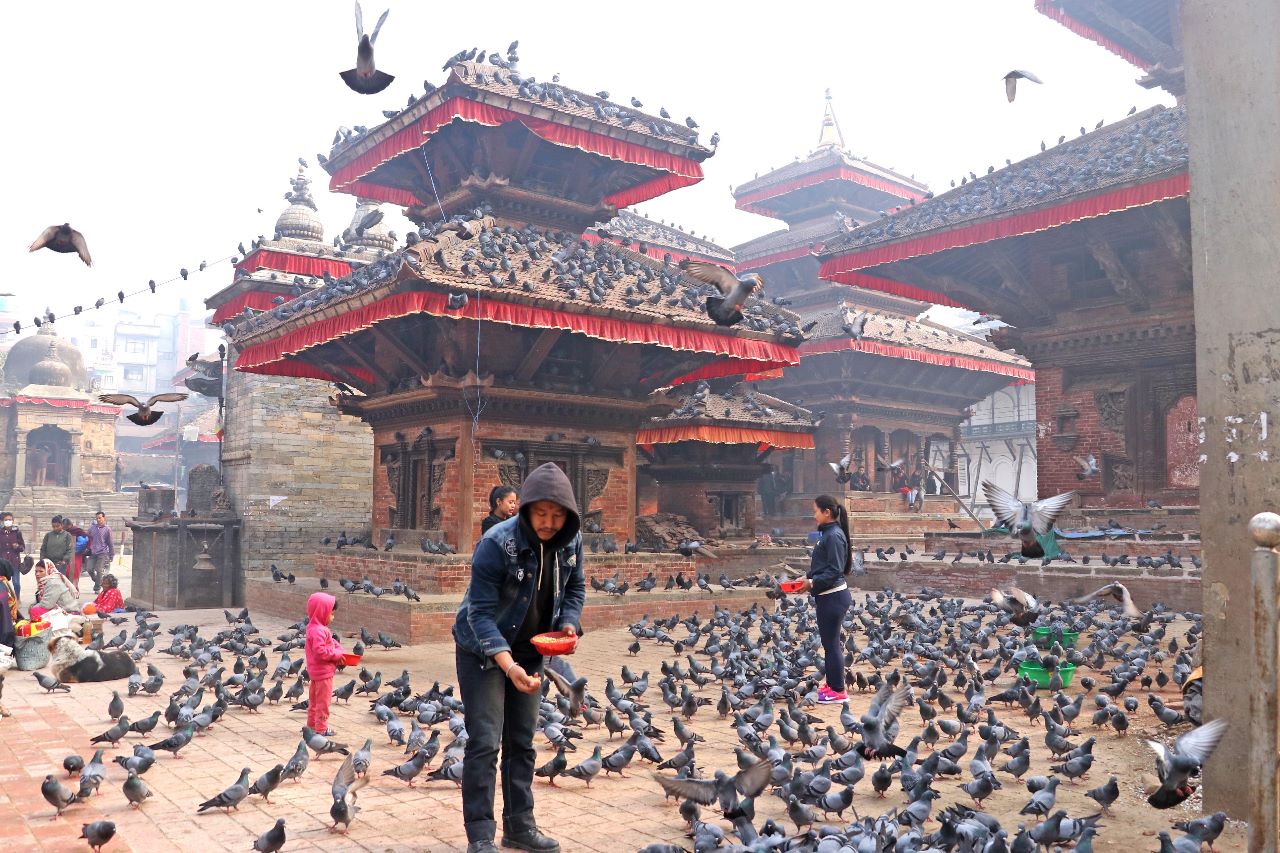
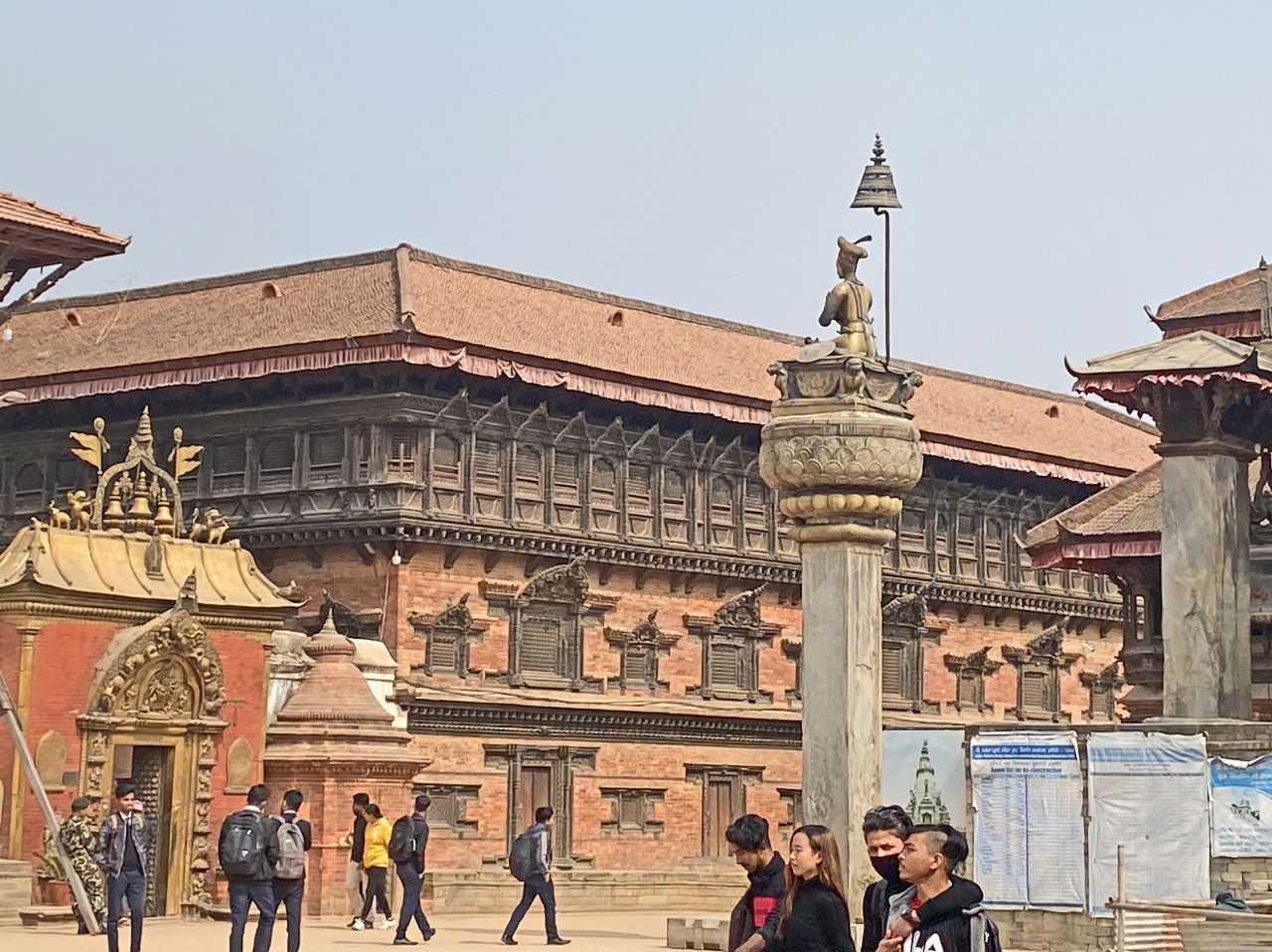
Bhaktapur

City of Devotees – Bhaktapur is a treasure trove of artistic creations displayed on the temples and monuments of the city.
Perched on a hill at an altitude of 1,401 m, Bhaktapur or Bhadgaon, literally the City of Devotees, is a major tourist destination that takes visitors back in time. Bhaktapur lies 12 km to the east of Kathmandu on the Arniko Highway that leads to the Chinese border. Covering an area of 6.4 sq km, Bhaktapur has managed to retain its authentic ambiance with brick-paved roads, charming red brick houses and a way of life that goes back to medieval times. This ancient city is also famous for pottery and woodcarving amply displayed on the squares and windows of the local houses and temples.

Patan

Patan is home to the valley’s finest craftsmen who have preserved ancient techniques of metal craft.

Patan, also known as ‘Lalitpur’, the city of artisans, lies 5 km southeast of Kathmandu, and is home to the valley’s finest craftsmen who have preserved such ancient techniques as the repoussé  and lost wax process used to produce exquisite sculptures.

Pashupatinath

This temple situated on the banks of the holy River Bagmati is the most revered Hindu temple in Nepal. The main temple complex is open only to the Hindus; non-Hindus must satisfy themselves by observing from the terraces just across the Bagmati River to the east. As a mark of reverence and tradition, leather items that include shoes, belts and cameras are forbidden within the temple complex and must be left outside. Photography is strictly prohibited.